The refrigerator is seen as a safe haven for food: tuck everything away in the ice box and it will keep better and longer, right? That’s not always the case—many food items don’t need to be refrigerated at all and could just be taking up space on the shelves. Some ingredients are actually worse off in the fridge.
Here are the top 11 things we think you should move from the fridge to the pantry:
1. TOMATOES
The refrigerator can transform a ruby red, juicy tomato in a mealy, flavorless mess. They’re happiest on the kitchen counter. If you slice into one and have some leftover, it can be wrapped in plastic and left on the counter if you’re planning to use it that same day. Otherwise, feel free to put leftover tomato in the fridge, but use as quickly as possible.
2. ONIONS
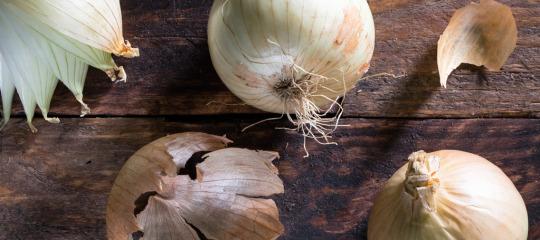
Moisture from the fridge can actually make whole onions moldy and mushy—store them in a cool, dark, well-ventilated place like your pantry instead. Once cut, it’s OK to keep the remainder in the fridge, just wrap it well in plastic wrap or in an airtight bag and keep it in the crisper drawer.
3. GARLIC
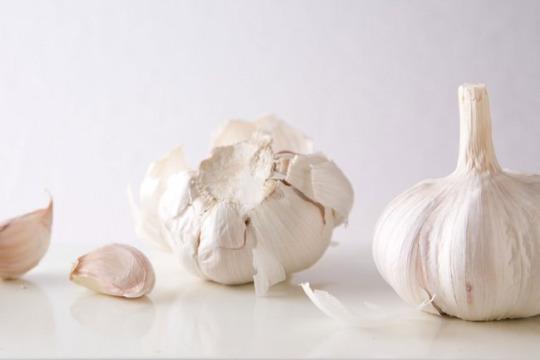
Cloves can start to sprout if kept in the refrigerator—they can also become rubbery and moldy. Instead, store garlic in a cool, dark place that is well-ventilated.
4. BREAD
It may seem counterintuitive, but bread actually dries out faster when stored in the fridge. If you’re planning to use it within a day or two, it OK to keep it on the counter. Otherwise, wrap it well and toss it in the freezer, where it will keep for a few months.
5. POTATOES
Cold temperature causes the starch in potatoes to rapidly transform into sugar, which results in gritty, off-flavored tubers. Instead, keep them in a paper bag (which helps with air circulation) in a cool, dark place.
6. HONEY
If kept in the refrigerator, honey can begin to crystalize and turn in a thick mess that’s nearly impossible to drizzle over your yogurt. It’s most happy tucked away in your cupboard.
7. BASIL
Basil leaves wilt, losing their aroma and flavor when kept in the fridge. The better way to store your herb bunch is to treat it like cut flowers: just keep it in a glass of fresh water on your counter.
8. UNRIPE FRUIT
Fruit isn’t going to ripen in the cold confines on the fridge—leave it out at room temperature for it to fully ripen. Then eat immediately, or keep it in the fridge for day or two so it doesn’t get overripe and moldy.
9. HOT SAUCE
Even after it’s been opened, there’s no need to store hot sauce in the fridge. Its spices and preservatives make it perfectly safe to leave in your pantry.
10. OIL
Regardless of the type of oil, keeping it in the refrigerator will cause it to solidify into a butter-like consistency. Choose a cool, dark place for your oils instead.
11. COFFEE
Take those beans out of the fridge if you want to keep them fresh. If refrigerated, they can not only lose flavor but will actually absorb odors from other foods in your fridge. Go for a small bag that you stash in your pantry and use within a couple of weeks.