Showing posts with label Food. Show all posts

Thursday, June 9, 2016

Eat Your Way To A Healthy Brain


Not long ago, the food was primarily considered a means to provide the body with energy, but now we also know that food offers a wide range of health benefits as well. 
Food is also being recognized as playing a huge role in mood and cognition. 
Our brain consumes a large amount of energy compared to other organs in the human body. No wonder dietary choices have a great impact on our mental health. 
Psychiatry is making a significant change in the way we treat mental illness. 
Nutritional deficiency is slowly being recognized as one of the culprits of mental disorders like anxiety, depression and even schizophrenia. 
Changing your dietary habits might be a good starting point to improve your mental health. 
Wonder what foods are good for your brain?
Well, we’ve compiled a list of 8 foods that can improve your mental health when taken regularly.

1. Flaxseed, Salmon, and chia seeds

What all these three foods have in common is their high content of omega-3 fatty acids. 
Omega-3 fatty acids are essential for human health and development. 
Our body can’t make Omega-3s, which is why we need to obtain these essential fatty acids from food. 
Omega-3s also reduce inflammation and the risks of developing heart disease. 
Besides this, omega-3 fatty acids were also found in several studies to offer benefits in bipolar disorder and depression. 
Eating fatty fish like salmon and mackerel two times a week will provide you with enough omega-3s. 
You can also get the essential fatty acids in supplement form.

2. Beans

Beans are rich in folate which is also known as vitamin B9 or folic acid. 
Folate deficiency can lead to neurological disorders and depression. 
A study with 800 participants in the Netherlands found that the subjects had better memory and general cognitive functioning after taking folate supplements for three consecutive years. 
Other than folate, you’ll also get other brain-boosting micronutrients from beans. 
Beans are a rich source of omega-3, magnesium, and protein, all important nutrients for the brain.

3. Shellfish

Shellfish is a rich source of vitamin B12 or cobalamin which is an important vitamin for normal brain development during infancy. 
Vitamin B12 deficiency in adulthood is linked to depression. 
Experts suggest vitamin B12 in conjunction with folate as the two depend on each other in the metabolism. 
Besides B12, shellfish are also rich in iron which is important for normal central nervous system functioning. 
Many brain enhancement supplements contain iron and the B vitamin groups for this reason.

4. Cocoa-rich chocolate

The cocoa in chocolate is full of polyphenols which are known for their antioxidant properties in human health. 
The brain is highly susceptible to oxidative damage which increases with age. 
Besides this, the flavonols in cocoa may improve brain flow to the brain which can also increase cognitive functioning.

5. Acidophilus yogurt

Fermented food is rich in anti-oxidant components not otherwise found in the same concentration in non-fermented food. 
Besides aiding in digestion, the lactobacillus acidophilus strand of bacteria may also improve mood according to some studies.

6. Almonds

Almonds are a rich source of vitamin E, another powerful antioxidant. 
Oxidative stress is associated with age-related mental decline and Alzheimer’s disease. 
A study of 4809 elderly people who participated in the Third National Health and Nutrition Examination Survey found that low serum levels of vitamin E were associated with poor memory. 
Another study found that almonds improved memory by increasing brain acetylcholine levels. 
Another way to protect acetylcholine levels is also with Huperzine A, a brain enhancing ingredient you can find in Cogniflex supplements.

7. Whole grains

Scientists have found that diets low in carbohydrates might worsen depression because the levels of the feel-good hormone serotonin are triggered by carbohydrate-rich foods. 
But they also note that low glycemic index food like whole grain bread might provide moderate but long-lasting improvements in the mood while high glycemic index food can give you immediate but short-lasting mood-boosting effects.

8. Sushi

Sushi is usually made with dried seaweed, and dried seaweed is a rich source of iodine. 
Iodine deficiency is not only linked to hypothyroidism that can cause depression but to mental decline and poor brain development. 
Iodine deficiency in the womb may lead to mental delay later in life.
Eating a nutritiously rich diet will probably give you enough nutrients for proper brain functioning. 
Our brain is a powerful organ that requires a lot of energy and nutrients to function properly. 
Scientists now know that mental health problems are linked to nutritional deficiencies which are why nutritional supplements are becoming the new way to treat mental illness alongside conventional treatments. 
Including these 8 foods into your regular diet plan might help you improve your memory, mood and general mental health.

Wednesday, December 23, 2015

Beware Of Wheat!!!!!!


Written by:   Okey Goodluck Nwankwo

There are THREE inherent DANGERS in the chemistry of WHEAT that make it a CLASSIC DESTROYER OF HEALTH. 
I call them the DOWNSIDES of WHEAT.
The FIRST: WHEAT contains GLUTEN – a protein that causes inflammation, a systemic process that has harmful effects across all the organ systems in the body including the brain, heart, joints, eyes and digestive tract. 
As a matter of fact, inflammation does not only precede all degenerative diseases like diabetes, cancer, stroke, glaucoma, arthritis and Parkinson’s disease, but also fuels their insidious progression. 
A review paper in the New England Journal of Medicine listed 55 DISEASES that can be caused by eating GLUTEN-CONTAINING foods. The diseases include osteoporosis, anemia, cancer, canker sores, fatigue, rheumatoid arthritis and multiple sclerosis. 
The paper also linked gluten to many psychiatric and neurological diseases including depression, schizophrenia, dementia, nerve damage, epilepsy and autism. The paper concluded that there are 120 or more diseases associated with eating foods that contain gluten. Dr. Joseph A. Murray, MD states that he is surprised how often gluten affects the brain.

The SECOND: WHEAT study by Dr .J. Robert Cade, MD of the University of Florida showed that people with autism and schizophrenia have high level of PEPTIDES in their urine. 

These PEPTIDES, according to Dr. Cade, come from CASEIN (protein in milk and other dairy products) and GLIADIN and GLUTEN in WHEAT, BARLEY, OATS and RYE.

Another study of 30,000 patients analyzed from 1969 – 2008 reported in the journal of the American Medical Association found that people diagnosed with GLUTEN-SENSITIVITY had a higher risk of death from cancer and heart disease than the normal population.

Worse still, the bulk of wheat being consumed in the country is the AMERICAN HYBRID STRAIN, which has much HIGHER GLUTEN content than the European wheat.

The THIRD: Inherent DANGER in the Chemistry of WHEAT is its High GLYCEMIC Index GI. 
Glycemic Index is a scale that ranks carbohydrate rich foods by how much they raise blood sugar level compared to low glycemic foods. 
Wheat has GI of 71 compared to yam and sweet potato with GI of 49 and 54 respectively. 
Invariably, eating food with high GI like wheat regularly promotes WEIGHT GAIN and makes DIABETES INTRACTABLE. According to Dr. Mark Hyman, MD “WHEAT is a MAJOR contributor to OBESITY, DIABETES, CANCER, DEMENTIA, DEPRESSION and many Modern ills.”
What's your experience with wheat?
Share with us in the comment box below

Wednesday, July 22, 2015

9 Awesome (and Healthy) Ways to Eat Watermelon

There are few things better than the fresh crunch of a wedge of watermelon. But this summertime staple is more versatile than you might be giving it credit for.

In addition to being cool, refreshing and downright delicious, watermelon offers important nutrients, including vitamins A and C, plus potassium and fiber. It’s also a good source of the antioxidant lycopene. Enjoy it in both sweet and savory recipes.

Sweet
The tantalizing natural sweetness of this melon makes for divine desserts.


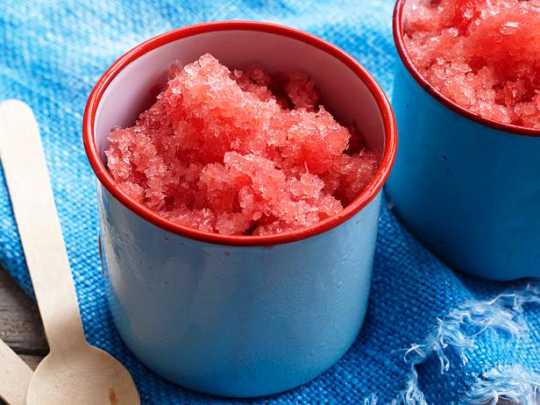
                                             Watermelon Slushies


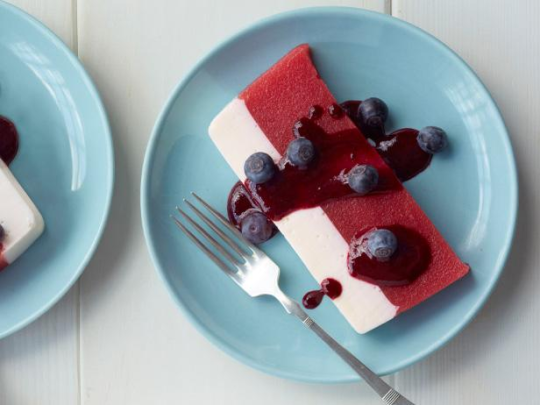
                                     Raspberry-Watermelon Terrine with Blueberry Sauce


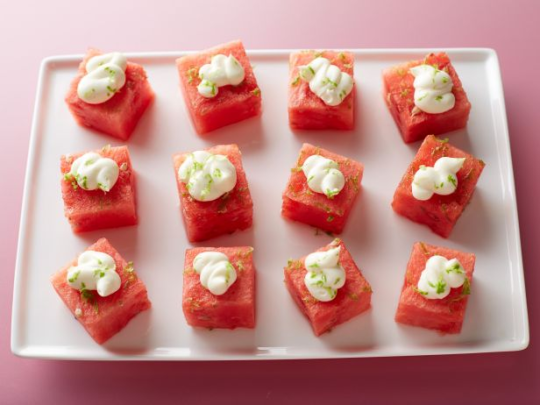
                                      Gingery Watermelon Petit Fours

Savory
Mild flavor and big crunch makes watermelon a welcome addition to savory dishes as well, plus it contains a nice boost of low-calorie nutrients.


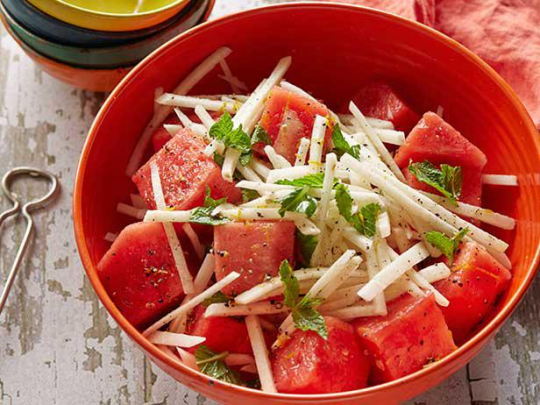
                                        Jicama and Watermelon Salad


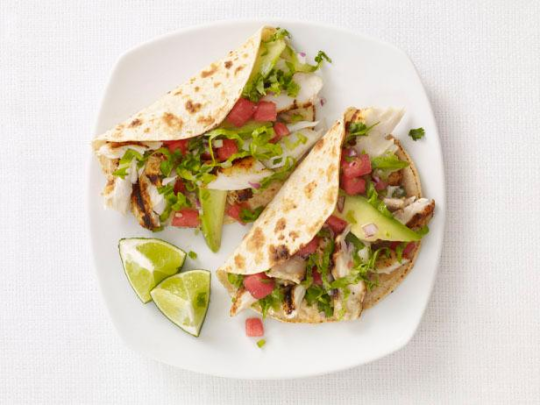
                                        Fish Tacos with Watermelon Salsa


                                         Tomato and Watermelon Gazpacho

Drinks
Last, but certainly not least, are the watermelon beverages. Cocktails and mocktails can be infused with seasonal colors and flavors.


                                       Watermelon-Strawberry Sangria


                                                 Watermelon-Mint Water


                                            Watermelon and Cucumber Smoothie

Ingredients

One 2-inch piece English cucumber, peeled and roughly chopped (about ½ cup), plus one slice reserved for garnish
3 tablespoons lowfat buttermilk
1 tablespoon honey, optional
½ small lime, juiced (about 1 tablespoon)
2 cups cubed seedless watermelon, frozen

Directions

Put the cucumber, buttermilk, honey if using and lime juice into a blender. Blend on high until smooth. Add half of the frozen watermelon and blend until almost completely smooth, turning off the blender and pushing down on the ingredients with a spatula or wooden spoon as needed to help the blending process. Add the remaining frozen watermelon and continue to blend until smooth. Add 1 to 2 tablespoons of water if needed to adjust consistency. Pour into a glass and garnish with a cucumber slice.

11 Ingredients You Shouldn't Refrigerate

The refrigerator is seen as a safe haven for food: tuck everything away in the ice box and it will keep better and longer, right? That’s not always the case—many food items don’t need to be refrigerated at all and could just be taking up space on the shelves. Some ingredients are actually worse off in the fridge.

Here are the top 11 things we think you should move from the fridge to the pantry:

1. TOMATOES


The refrigerator can transform a ruby red, juicy tomato in a mealy, flavorless mess. They’re happiest on the kitchen counter. If you slice into one and have some leftover, it can be wrapped in plastic and left on the counter if you’re planning to use it that same day. Otherwise, feel free to put leftover tomato in the fridge, but use as quickly as possible.

2. ONIONS


Moisture from the fridge can actually make whole onions moldy and mushy—store them in a cool, dark, well-ventilated place like your pantry instead. Once cut, it’s OK to keep the remainder in the fridge, just wrap it well in plastic wrap or in an airtight bag and keep it in the crisper drawer.

3. GARLIC


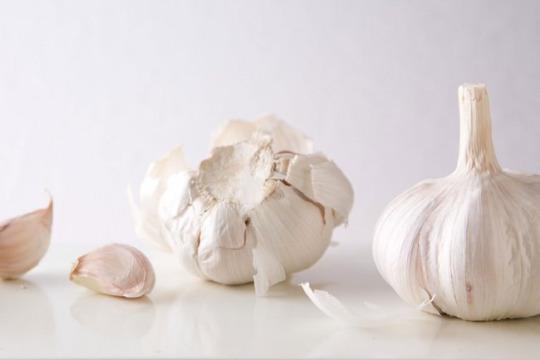
Cloves can start to sprout if kept in the refrigerator—they can also become rubbery and moldy. Instead, store garlic in a cool, dark place that is well-ventilated.

4. BREAD


It may seem counterintuitive, but bread actually dries out faster when stored in the fridge. If you’re planning to use it within a day or two, it OK to keep it on the counter. Otherwise, wrap it well and toss it in the freezer, where it will keep for a few months.

5. POTATOES


Cold temperature causes the starch in potatoes to rapidly transform into sugar, which results in gritty, off-flavored tubers. Instead, keep them in a paper bag (which helps with air circulation) in a cool, dark place.

6. HONEY


If kept in the refrigerator, honey can begin to crystalize and turn in a thick mess that’s nearly impossible to drizzle over your yogurt. It’s most happy tucked away in your cupboard.

7. BASIL


Basil leaves wilt, losing their aroma and flavor when kept in the fridge. The better way to store your herb bunch is to treat it like cut flowers: just keep it in a glass of fresh water on your counter.

8. UNRIPE FRUIT


Fruit isn’t going to ripen in the cold confines on the fridge—leave it out at room temperature for it to fully ripen. Then eat immediately, or keep it in the fridge for day or two so it doesn’t get overripe and moldy.

9. HOT SAUCE


Even after it’s been opened, there’s no need to store hot sauce in the fridge. Its spices and preservatives make it perfectly safe to leave in your pantry.

10. OIL


Regardless of the type of oil, keeping it in the refrigerator will cause it to solidify into a butter-like consistency. Choose a cool, dark place for your oils instead.

11. COFFEE


Take those beans out of the fridge if you want to keep them fresh. If refrigerated, they can not only lose flavor but will actually absorb odors from other foods in your fridge. Go for a small bag that you stash in your pantry and use within a couple of weeks.

Wednesday, June 17, 2015

To Lose Weight, Eating Less Is Far More Important Than Exercising More


One of my family’s favorite shows is “The Biggest Loser.” Although some viewers don’t appreciate how it pushes people so hard to lose weight, the show probably inspires some overweight people to regain control of their lives.

But one of the most frustrating parts of the show, at least for me, is its overwhelming emphasis on exercise. Because when it comes to reaching a healthy weight, what you don’t eat is much, much more important.

Think about it this way: If an overweight man is consuming 1,000 more calories than he is burning and wants to be in energy balance, he can do it by exercising. But exercise consumes far fewer calories than many people think. Thirty minutes of jogging or swimming laps might burn off 350 calories. Many people, fat or fit, can’t keep up a strenuous 30-minute exercise regimen, day in and day out. They might exercise a few times a week, if that.

Or they could achieve the same calorie reduction by eliminating two 16-ounce sodas each day.

Proclamations that people need to be more active are ubiquitous in the media. The importance of exercise for proper weight management is reinforced when people bemoan the loss of gym class in schools as a cause of the obesity epidemic. Michelle Obama’s Let’s Move program places the focus on exercise as a critical component in combating excess weight and obesity.

Exercise has many benefits, but there are problems with relying on it to control weight. First, it’s just not true that Americans, in general, aren’t listening to calls for more activity. From 2001 to 2009, the percentage of people who were sufficiently physically active increased. But so did the percentage of Americans who were obese. The former did not prevent the latter.

Studies confirm this finding. A 2011 meta-analysis, a study of studies, looked at the relationship between physical activity and fat mass in children, and found that being active is probably not the key determinant in whether a child is at an unhealthy weight. In the adult population, interventional studies have difficulty showing that a physically active person is less likely to gain excess weight than a sedentary person. Further, studies of energy balance, and there are many of them, show that total energy expenditure and physical activity levels in developing and industrialized countries are similar, making activity and exercise unlikely to be the cause of differing obesity rates.

Moreover, exercise increases one’s appetite. After all, when you burn off calories being active, your body will often signal you to replace them. Research confirms this. A 2012 systematic review of studies that looked at how people complied with exercise programs showed that over time, people wound up burning less energy with exercise than predicted and also increasing their caloric intake.

Other metabolic changes can negate the expected weight loss benefits of exercise over the long term. When you lose weight, metabolism often slows. Many people believe that exercise can counter or even reverse that trend. Research, however, shows that the resting metabolic rate in all dieters slows significantly, regardless of whether they exercise. This is why weight loss, which might seem easy when you start, becomes harder over time.

This isn’t to say that exercise plays no role. There are many studies that show that adding exercise to diets can be beneficial. A 1999 review identified three key meta-analyses and other randomized controlled trials that found statistically significant, but overall small, increases in weight loss with exercise.

A meta-analysis published last year found that, in the long term, behavioral weight management programs that combine exercise with diet can lead to more sustained weight loss (three to four pounds) over a year than diet alone. Over a six-month period, though, adding exercise made no difference. Another systematic review from last fall found similar results, with diet plus exercise performing better than diet alone, but without much of an absolute difference.

All of these interventions included dietary changes, and the added weight-loss benefit from activity was small. Far too many people, though, can manage to find an hour or more in their day to drive to the gym, exercise and then clean up afterward — but complain that there’s just no time to cook or prepare a healthful, home-cooked meal. If they would spend just half the time they do exercising trying to make a difference in the kitchen, they’d most likely see much better results.

Many people think of dieting as a drastic and rigid change, with a high risk of putting the pounds back on. What is more likely to succeed is gradual change, made in a much more sustainable way. I also don’t mean to make it seem that weight loss with diet is easy and exercise is hard. They’re both hard. The challenge of a slowing metabolism, and the desire to eat more, occurs in both cases, although dietary change still works better than exercise.

But I can’t say this enough: Exercise has a big upside for health beyond potential weight loss. Many studies and reviews detail how physical activity can improve outcomes in musculoskeletal disorders, cardiovascular disease, diabetes, pulmonary diseases, neurological diseases and depression. The Academy of Medical Royal Colleges declared it a “miracle cure” recently, and while I’m usually loath to use that term for anything in medicine, a fairly large evidence base corroborates that exercise improves outcomes in many domains.

But that huge upside doesn’t seem to necessarily apply to weight loss. The data just don’t support it. Unfortunately, exercise seems to excite us much more than eating less does. After all, as a friend said to me recently, “The Biggest Loser” would be really boring if it were shot after shot of contestants just not overeating.

Parents’ Denial Fuels Childhood Obesity Epidemic


Not only was the 16-year-old boy 60 pounds overweight, but a blood test showed he might have fatty liver disease. At last, his mother took him to a pediatric weight management clinic in New Haven. But she did not at all like the dietitian’s advice.

“I can’t believe you’re telling me I can’t buy Chips Ahoy! cookies,” said the mother, herself a nurse.

This was hardly the first time that Mary Savoye, the exasperated dietitian who recalled this exchange, had counseled parents who seem unable to acknowledge the harsh truth about their child’s weight.

“Often they don’t want to accept it because change means a lot of work for everyone, including themselves,” Ms. Savoye said.

Despite widespread publicity about the obesity epidemic, parents increasingly seem to be turning a blind eye as their children put on pounds. In a recent study in Childhood Obesity, more than three-quarters of parents of pre-school-age obese sons and nearly 70 percent of parents of obese daughters described their children as “about the right weight.”

The researchers also compared these 2012 survey results with those from a similar survey in 1994. Not only were the children in the recent survey significantly heavier, but the likelihood that parents could identify their child’s weight accurately had declined about 30 percent.

Dr. David L. Katz, the director of Yale’s Prevention Research Center, has coined a word for the problem: “oblivobesity.”

“Parents cannot ignore the threat of obesity to our children and still hope to fix it,” he wrote in an editorial accompanying the new study.

One reason parents may have difficulty perceiving their child’s weight is because of the “new normal”: Throughout the developed world and even in some developing countries, children are generally becoming heavier.

But in an interview, Dr. Katz also cited parents for “willful, genuine denial.”

Once a parent acknowledges the child has a problem, he said, “You have to deal with it.”

“ ‘Do I become the food police? Do I have to change my diet and walk the walk?’ ” he added. “So, often, it’s easier to pretend the problem’s not there.”

Other experts counter that the problem can be complicated and subtle, the result of family dynamics. Perhaps the parents are resigned to being overweight. Perhaps there are slender siblings, and the parents cannot figure out a diet that fits all.

“Denial can be a coping mechanism,” said Arnaldo Perez, a doctoral candidate at the University of Alberta who researches what motivates families to seek help for their overweight children. Before judging them outright, providers should explore parents’ possible feelings of guilt and failure, he said.

Denial may also be a form of wishful thinking.

It is “natural for a parent to want to think optimistically about their child,” Dr. Thomas N. Robinson, a professor of pediatrics and director of the Center for Healthy Weight at Stanford and Lucile Packard Children’s Hospital Stanford, wrote in an email.

“I have parents tell me that they waited to address it because they thought their child would ‘grow out’ of their extra weight,” he added.

It is only now, as Bonnie Ryan of Bridgeport, Conn., looks at old photographs of her grandson, 12, that she sees how the weight accumulated over the years. At 7, he was “chunky,” she remembers thinking. And at 8, chunkier still.

But his father grew to 6 feet 4 inches tall and about 220 pounds. She hoped her grandson would stretch out, too. The boy’s parents separated. Lonely, he kept eating.

Shortly after her grandson’s checkup at 11, she and her son met with the pediatrician. Her grandson, the doctor said, was 5-foot-1, 200 pounds and had pre-diabetes.

“You think he’s a little overweight and then suddenly, ‘Oh my God,’ ” she said. They could no longer look away.

She has enrolled the boy in Bright Bodies, a healthy lifestyle program in New Haven, sponsored by Yale.

A child’s weight problem may escape notice for any number of reasons. Many clothing styles obscure shape, for instance, particularly for boys.

“When they take their loosefitting shirts and pants off in the exam room, you see just how a tremendous amount of body fat can be hidden,” Dr. Robinson said.

And when parents believe their children are active, they are more likely to consider their child’s weight to be normal, studies have shown. But parents often overestimate their children’s physical activity.

Other confounding factors include immigrant status and socioeconomic standing.

Dr. Francine R. Kaufman, a pediatrics professor at the Keck School of Medicine at the University of Southern California, said that among new immigrants from countries where starvation is a reality, “Even the 3-, 5- and 7-year-old can’t be heavy enough for abuela. Nourishing and nurturing children is often the same.”

Sunday, May 31, 2015

34 Healthy Breakfasts For Busy Mornings

When it comes to breakfast, the options are endless. Pancakes or waffles? Bacon and eggs? Muffin, followed by a pastry?

 So why limit chowing down on delicious breakfast foods to the morning hours?

Here are 34 healthier snack options to keep filling those breakfast food cravings all month long.

Better Breakfast Snacks

1. Avocado Toast With Egg
Sometimes, simple is just better. In this recipe, 2 slices of whole-grain bread, lightly toasted, topped with smashed avocado and a sprinkling of salt and pepper makes for a flavorful and rich base. Top that with two sunny-side-up eggs for a healthy dose of protein, and you've got a well-rounded breakfast. Stack 'em in a tupperware container for easy transport or cook the yolks a bit more and make the whole thing into a sandwich.

2. Peanut Butter Banana Smoothie
Smoothies are a perfect on-the-go snack any time of day. Blend 1 frozen banana, 2 tablespoons peanut butter, 1 cup almond milk, and a few ice cubes. If this is a morning snack, keep it in a tight-sealing container and throw it in a gym or work bag. For an afternoon boost, prep it the night before and freeze, remove in the morning, and it will be thawed and ready to enjoy after lunch. Tip: Add a scoop of your favorite chocolate or vanilla protein for an extra protein boost.

3. Zapped Scrambled Eggs With Veggies
Yes, it’s possible to make really good scrambled eggs in the microwave. And it’s easy! Beat 2 eggs, throw in a microwave-safe container, add 1 handful of your favorite veggies (cherry tomatoes and spinach leaves work well), and a sprinkle of cheese. Zap the mixture for 30 seconds, stir, and cook another 30 seconds, or until eggs are solid. Throw a top on the container to eat later, or store the raw mixture in a fridge until ready to heat and eat.

4. Fruit and Yogurt Parfait
One of the easiest, healthiest, and tastiest breakfasts out there is a classic fruit and yogurt parfait. The best part? It can be made with any toppings you like. Try choosing fruits that are in season for the most flavorful options. (Try our stone fruit salad for summer, and opt for apples come fall).


5. Breakfast Burrito
Who doesn’t love a burrito? Breakfast burritos are a great, easy snack to keep on hand. Scramble 2 egg whites, 1/4 cup black beans, 2 tablespoons salsa, and 2 tablespoons shredded cheese, and wrap in 1 small whole-wheat tortilla. Make a bunch, wrap in foil, and keep in the freezer for whenever the craving hits. Protein from the eggs and black beans keep you fuller longer, and the spicy salsa keeps things interesting.

6. Healthy Morning Glory Muffins
An oat-based muffin packed with healthy carrots and zucchini, lightly sweetened with raisins and just a pinch of sugar makes a perfect breakfast or snack. Use a mini-muffin tin for smaller portions, and eliminate or cut back on the brown sugar or choose a healthier substitute to cut back on sugar.

7. Breakfast Quinoa Bites
Here’s a new way to enjoy quinoa: make mini quinoa breakfast quiches! In a medium bowl, combine 2 cups cooked quinoa, 2 eggs, 1 cup your favorite veggies (spinach or zucchini work well), 1 cup shredded cheese, and a sprinkle of salt and pepper. Portion into a lightly-greased mini muffin tin, and bake at 350 F for 15-20 minutes. These are easy to bring along and delicious to enjoy warm or cold.

8. Fruit and Yogurt Smoothie
Here’s a simple and delicious smoothie recipe for the morning rush. Blend 1 cup plain Greek yogurt with 1 cup frozen fruit (banana and berries work very well) with 1/2 cup liquid (milk, juice, coconut water—whatever you like). Freeze overnight and thaw throughout the day to enjoy in the afternoon, or blend up in the morning.


9. Leftovers n’ Egg
Stuck with last night’s leftovers? Place a scoop of leftover roasted veggies, potatoes, or meat in a container, top with a cracked egg, and heat in the microwave until the egg white is cooked through, 30 to 45 seconds. (Or prep in the oven.) Feeling fancy? Sprinkle with some freshly grated parmesan cheese.

10. Fruity Breakfast Quinoa
Cooking quinoa in milk (cow, soy, or almond) and adding some sweet spices and fruit makes for a great substitute for classic hot breakfast cereals. Plus, it’s high in protein and essential amino acids like lysine, which is essential for tissue growth and repair. Simply cook quinoa according to package instructions, but substitute milk for water, and add some cinnamon or nutmeg instead of salt and pepper. Top with fresh berries and chopped roasted nuts.

11. Zucchini Bread Oatmeal
Take a classic baked loaf and make it into oatmeal with this recipe! Adding shredded zucchini to oatmeal is a great way to fit in an extra serving of veggies. Throw on a handful of toasted walnuts or pecans for some added crunch.

12. Quinoa Fruit Salad
Spice up a plain old fruit cup with a scoop of quinoa. Toss the whole shebang around until the quinoa is evenly distributed through the fruit. Add a scoop of plain yogurt and a drizzle of honey for a little extra body.

13. Oatmeal Squares
Oatmeal is a great option for a hearty snack or breakfast, but what’s the best way to make it into a more convenient and portable snack? Bake it into squares!

14. Pumpkin Oatmeal Bowl
A heaping dollop of pumpkin puree is a great way to squeeze in an extra dose of veggies. Plus, the super-orange superfood is packed with nutrients and a healthy dose of fiber. This recipe pairs the pumpkin with quick oats, pumpkin pie spice, and almond milk for a quick and easy breakfast on-the-go.


15. Ricotta and Tomato Breakfast Sandwich
Here’s a healthier take on the classic breakfast sandwich: Take 2 slices of a hearty whole-grain bread, spread each slice with 1 tablespoon ricotta cheese and sprinkle with kosher salt and fresh cracked pepper to taste. Add 1-2 hearty slices of fresh beefsteak tomato (blotted with paper towel to remove excess liquid) and enjoy.

16. Zucchini Muffins
Any way that fits a serving of veggies into a delicious baked good is a winner in my book. These zucchini and banana muffins with flaxseed fit three healthier options into one easy-to-tote package.

17. Peanut Butter, Banana, and Oatmeal Breakfast Cookies
Cookies for breakfast? Yes please! While Oreos or Chips Ahoy may not make a balanced breakfast, a homemade cookie made of banana, peanut butter, protein powder, and oats is a wholesome choice. Plus, you can pick and choose what you like to mix—go for almond butter and raisins in one batch, or peanut butter chocolate chip in another.

18. Waffle PBJ-Wich
Try this sweet take on a classic breakfast sandwich the next time eating on the go. Prepare 1 whole-grain toaster waffle and slice in half. Spread with 2 tablespoons nut butter and layer 2-3 sliced strawberries on top in place of the traditional jelly (to cut down on sugar).


19. Savory Oatmeal With an Egg
Try taking oatmeal to a whole new level by making it savory. Prepare as usual with milk or water, but add a pinch of salt and pepper instead of any cinnamon or sugar, and top with an over-easy or poached egg. Sprinkle with a little cheese for an extra yummy kick.

20. Overnight Oats
This is the ultimate lazy-person breakfast. The night before, combine 1/2 cup milk, 1/3 cup rolled oats, 1/2 a banana (mashed), 1/4 cup chopped nuts, and a sprinkle of cinnamon in sealed Tupperware container. By morning, you’ll have delicious overnight oats! These can be heated in the microwave for 1-2 minutes if in the mood for something warm.

21. Egg and Cheese Cups
Fried eggs are great, but what about baking a whole egg with veggies and cheese and skipping the added oil? Try making a pan of these egg and cheese cups at the beginning of the week and bringing one along each day. (Tip: If you use the individual silicone muffin molds, it makes the egg cups even more portable for on-the-go snacking.)

22. Homemade Instant Oatmeal
For anyone with a microwave or hot water at their disposal, these customized instant oatmeal packets are fantastic to have on hand. Instead of purchasing pre-made oatmeal packets, assemble your ownin Ziploc baggies using whole rolled oats, cinnamon, and mix-ins like raisins and nuts.

23. Frozen Nutty Banana
Say banan-YEAH to this healthy snack. Cut 1 firm (but ripe) banana in half and un-peal, arrange on a small baking sheet or freezer-safe plate, and spread each half with 1 tablespoon almond butter evenly (on the sides not touching the plate). Here’s the fun part: Stick whatever toppings you like on top of the almond butter—our favorites are granola, chia seeds, or flax seeds and cinnamon. Insert a popsicle stick or skewer into the cut end of each half, and freeze until solid (at least 2-3 hours).

24. Egg Sandwich
Who doesn’t love a classic egg sandwich? Simply sautée a hefty handful of spinach and fry 2 eggs with a dash of salt and pepper. Place on top 2 whole-wheat English muffin halves (or toast) with 1 slice of cheddar cheese. Wrap in foil so the cheese melts evenly, and enjoy whenever the craving hits!


25. Chocolate-Banana Breakfast Quinoa
Here’s one healthy way to have chocolate for breakfast: a bowlful of quinoa makes for a protein-rich filling breakfast, and the banana even adds a serving of fruit.

26. Fruit Soup
There are just two ingredients in this tasty, cool snack: Cold fresh fruit, and cold milk. Chop 1 cup of fruit of your choosing (peaches, plums, berries, and mango are delicious!) and combine in a container with 1 cup milk of choice. Keep chilled until ready to enjoy.

27. Apple Surprise
This is a perfect pick for apple season, Cut 1 apple in half and remove the core (plus a bit of the extra flesh around the core). Drop 1 tablespoon nut butter between the two holes, and sprinkle in 1 tablespoon granola. Wrap up the whole apple in plastic wrap or foil to save for later, or enjoy as is bite-by-bite.

28. PBB&C
Say what? A PBB&C is a great twist on the classic PB&J—peanut butter, banana, and chia. Try adding this superfood twist to the classic PB sandwich with 1/2 a banana (sliced) and a sprinkle of chia, which is packed with vitamins and minerals (like six times more calcium than milk!).


29. Berries and Oats Microwave Muffin
Muffins from the microwave? Yep, it's possible! Add 1/4 cup quick oats, 1 egg, a handful of berries, and a sprinkling of brown sugar to a mug and mix until evenly combined. Microwave on high for 1 minute, remove to take a look, and keep cooking for 30 seconds at a time until the muffin looks firm.

30. Strawberry-Banana Quinoa Muffins
By this point, I think the Greatist team believes quinoa makesanything better. So, muffins? It’s a no brainer. Try these strawberry quinoa muffins for an easily-packed snack or breakfast (or after lunch treat).

31. Pumpkin and Granola Parfait
This one’s perfect to try out as fall sets in. In your favorite small Tupperware container (with a reliable lid!), top plain Greek yogurt with canned pumpkin puree and a handful of granola, then sprinkle with cinnamon. The best part? Pumpkin is a bonafide superfood rich in beta carotene, which is essential for eye health.

32. Whole-Wheat Banana Blueberry Flax Muffins
At 200 calories each, these hearty, wholesome muffins make for the perfect portable breakfast. Flax lends a healthy dose of fiber andomega-3 fatty acids. Mashed bananas (one of our favorite healthy baking subsitutions) allow for a slight reduction in the added fat and sugar in this recipe, too.


33. Egg Muffins
Finally, a muffin without all the carbs. Plus, these guys are simple to make. Beat 10 eggs, 1/4 cup chopped onion, 3 handfuls of spinach, 1 shredded zucchini, 1/2 a bell pepper (chopped), 4 slices cooked bacon or ham, chopped, and a sprinkle of salt and pepper. Divide egg mixture evenly in a lightly-greased muffin tin, and bake for 20-25 minutes at 350 F. Zap it for a few seconds in the microwave before serving.

34. Lemon Poppy Seed Protein Squares
Here's a healthier take on the classic lemon-poppy seed muffin. Fiber-rich oat flour is paired with vanilla protein powder for a healthy, filling base. Yogurt lends moisture and some fat, and applesauce makes a great substitute for sugar. Vanilla extract, lemon zest, and (of course) make up the rest of the fresh flavor. The best part? One bar comes in at about 54 calories and six grams of protein—much better than any muffin we've seen on the shelves lately.

http://greatist.com/health/healthy-fast-breakfast-recipes